How to make your data center permitting flow smoothly
23.4.2026 – Mikko Reinikainen, Architect and Principal Designer at Granlund explains the art and science behind successfully getting permits for a new data center in Finland.

The Nordic countries are some of the best places in the world to build data centers, yet companies need to carefully navigate the permitting process. In Finland, a new data center will need to have proper building permits from the local municipality. Potentially, it might also need environmental permits from national agencies or a real estate acquisition permit from the Ministry of Defence for non-EU entities.
“The need for a building permit is based on the current Finnish legislation, the Building Act,“ explains Mikko Reinikainen, Architect and Principal Designer at Granlund.
“The local Building Control Authority grants construction permits. The plans submitted with the permit application must be in accordance with both national laws and local zoning regulations and restrictions. All deviations must be negotiated with the authorities.”
When a company contacts Granlund for a potential data center project, Granlund’s experts provide a clear explanation of the permitting process and any potential challenges that may arise along the way. Granlund’s architects have experience with hundreds of building permits, including exceptionally demanding ones.
Granlund’s architects have experience with hundreds of building permits, including exceptionally demanding ones.
Beginning the permit process
The process generally begins when the principal designer contacts the local Building Control Authority to present the construction project.
“The required preliminary plans and documents are submitted to the authority-managed permitting portal, and these materials are refined during the application process,” Reinikainen says.
Next, the principal designer meets with authorities to discuss the project. Once alignment is reached, detailed plans and documentation are prepared.
An Environmental Impact Assessment (EIA/YVA) might be required for large projects, or those which authorities determine are likely to cause significant environmental impacts. The EIA can be carried out as a separate study alongside the building permit application, which is often standard practice in data center projects.
Close communication with the authorities prior to submitting the permit application can significantly shorten the permit’s processing time.
Managing complexity
In some cases, zoning requirements or EIAs may require adjustments to the original concept of the building. Granlund’s experts work hard to ensure that all requirements and impacts to the schedule are communicated to the client as early as possible.
“The building permit process typically takes 2–3 months, but it can vary from 1 to 6 months,” says Reinikainen. “Close communication with the authorities prior to submitting the permit application can significantly shorten the permit’s processing time.“
There is a 30-days appeal period from the date the decision is issued, as well as a 7-day notification period, meaning in practice a 37-day period. The right of appeal typically belongs to parties directly affected, such as a neighbor who may be impacted by noise, shading or a reduction in property value. Municipalities and supervisory authorities always have the right to appeal, as do environmental, health and nature protection organizations for projects requiring an EIA.
“Appeal risks are reduced by ensuring the correctness of the plans and full compliance with regulations, meaning the avoidance of deviations,” says Reinikainen.
When you are careful and organized with the plans and documents the whole process tends to go smoothly.
Staying on schedule
Scheduling is always a critical concern for data center projects, and international investors are often wary of long delays due to permitting problems. Reinikainen stresses that an experienced specialist such as Granlund can successfully manage the process.
“My personal experience with authorities has always been smooth. Often, the officials are architects themselves, which means we speak the same professional language and understand each other well,” Reinikainen says. “Successful cooperation requires good interpersonal and negotiating skills, and when you are careful and organized with the plans and documents the whole process tends to go smoothly.”
Get in touch!

Mikko Reinikainen
Read more blogs
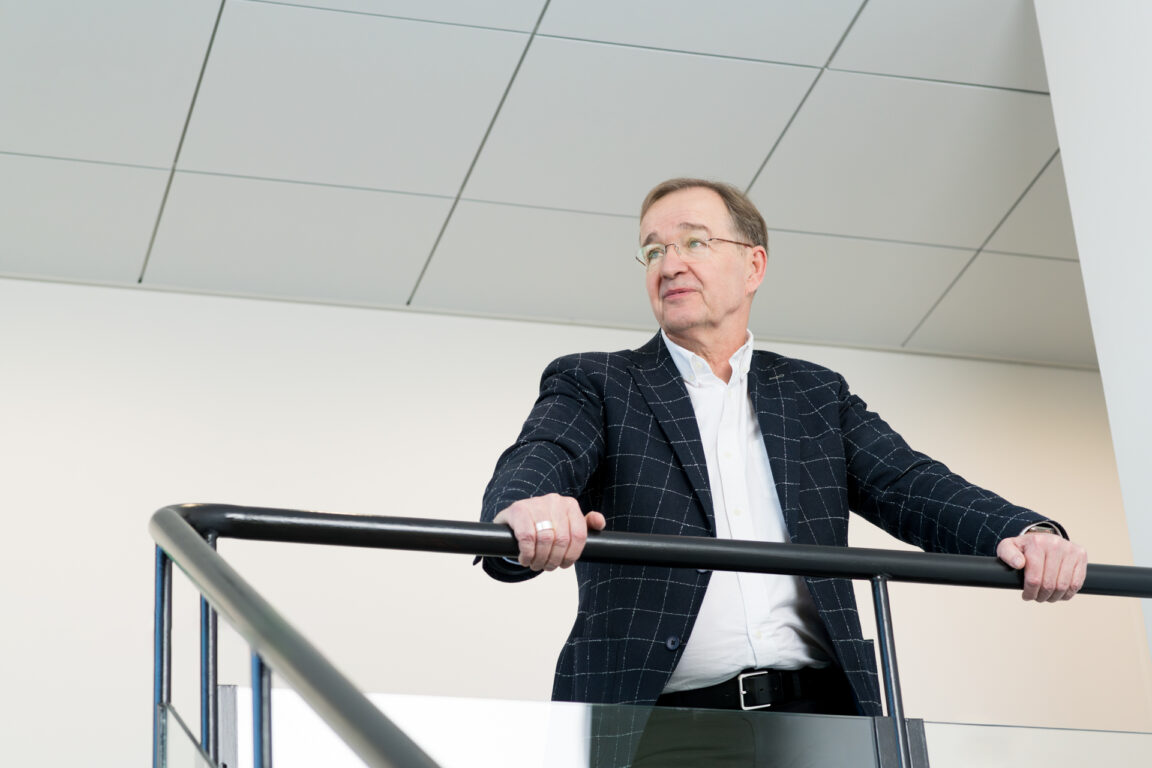
Great expertise drives Granlund forward
06.08.2026 – Competent and motivated employees are crucial for Granlund’s future growth. According to Granlund’s CEO Pekka Metsi, acquisitions bring in highly…
Fast track delivery for data centers in Finland
04.08.2026 – An experienced and competent local partner can help ensure data centers in Finland are commissioned on schedule and on budget.

A new law gives wind park owners better use of data
21.05.2026 – Granlund’s unique data analysis service helps wind park operators better understand and optimize their assets.

How to make your data center permitting flow smoothly
23.04.2026 – Mikko Reinikainen, Architect and Principal Designer at Granlund explains the art and science behind successfully getting permits for a new…

How to secure power for data centers
17.09.2025 – Power security is essential for data centers. Our experts in Finland and Sweden explain what to look for when planning…

AI can revolutionise the built environment, with a little help
09.05.2025 – AI is already beginning to transform the built environment. What is Granlund’s role in this revolution, and what does it…

How can a construction manager make it easier to implement an international project in Finland?
15.04.2025 – Granlund’s construction management experts help international industrial and data center operators throughout the project, from selecting the location to site…

How can you measure the impacts of construction on biodiversity loss?
18.03.2025 – As much as a third of biodiversity loss is the result of construction. In our pilot project, we tested biodiversity…
Proactive support for wind farm condition management
12.03.2025 – Wind farms are demanding infrastructures whose preventive maintenance is especially important in the northern conditions. Proactive condition management enables the…

Why ‘Excel-driven management’ fails in real estate capital planning
07.01.2025 – Decentralised systems, outdated data and inadequate cost control are a certain path to exceeding real estate project budgets. How long…
Subscribe to our newsletter
Be among the first to hear about the latest news and trends relating to Granlund and the real estate and construction sectors.